


Most rebranding efforts fail because they focus on the wrong thing. Companies spend months redesigning logos, refreshing color palettes, and rewriting taglines – only to discover the rebrand doesn’t move the needle. The problem isn’t the design. It’s that they skipped the strategy.
After rebranding dozens of companies across multiple industries, three laws consistently separate successful rebrands from expensive failures.

Law #1: Rebranding Starts at the Core — Your Customer
The biggest mistake companies make is building a rebrand around what they want to say instead of what their customers need to hear.
When you rebrand, you must start by listening to how your customers actually talk about the problem you solve. Not industry jargon. Not consultant-speak. The real language your customers use in sales calls, emails, and conversations.
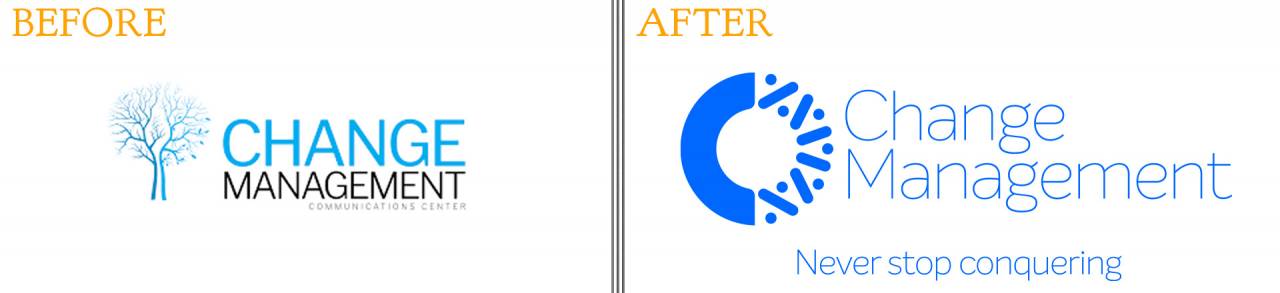
Example: A change management company was using terms like “transforming the organization” and “the change you need” — language that sounded professional but meant nothing to actual buyers. When we listened to their customers, they talked about “moving from us-and-them to we-and-how.” That became the core of the rebrand.
The fix: Before you touch design, spend time with your best customers. Write down the exact phrases they use to describe their problem and your solution. Your rebrand must speak their language, not yours.
Law #2: Rebranding That Ignores the Soul of the Brand Will Fail
Your brand has a soul – the core values, beliefs, and personality that make it different. A rebrand that abandons that soul will feel inauthentic, and your customers will sense it immediately.
The mistake most competitors make is using humanity only as a marketing tactic – “to appear authentic” – rather than making it integral to who they are. That’s why so many rebrands feel hollow.
When you rebrand, ask: What is the genuine belief or value that drives this company? What do we actually stand for – not what do we want to appear to stand for?
Example: The change management company’s soul was about challenging the status quo and helping organizations evolve quickly. The rebrand had to amplify that — not hide it under corporate polish. The new slogan “Never stop conquering” captured that soul perfectly.

The fix: Define your brand’s non-negotiable beliefs. Your rebrand should amplify those beliefs, not contradict them.
Law #3: Rebranding Isn’t Lipstick — It’s a System
This is the most misunderstood law. Rebranding is not a design refresh. It’s a complete system that includes story, design, color, attitude, and how you show up in the market.
When design is treated as an afterthought — a new logo slapped on old messaging — the rebrand fails because it’s not coherent. Everything must work together.
The biggest tell that a rebrand failed: the company looks exactly like everyone else in their industry. If you blend in, you’ve lost.
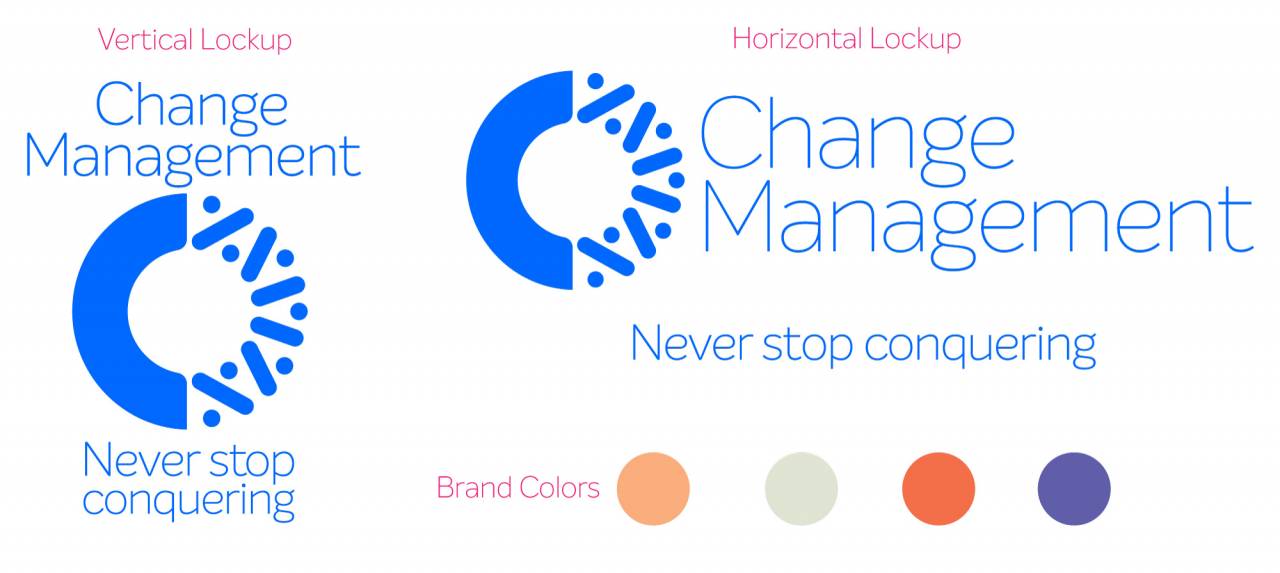
Example: The change management company’s competitors all looked like law firms — corporate, stiff, forgettable. The rebrand needed to differentiate not just the logo, but the entire visual and verbal identity. The animated logo, the color system, the tone of voice — everything worked together to say “we’re different.”
The fix: Your rebrand is a system, not a logo. Every touchpoint — website, business cards, social media, how you write emails – must reinforce the same story and personality.
When to Rebrand: The Warning Signs
You need a rebrand when:
- Your brand no longer reflects what your company actually does
- You’ve outgrown your original positioning, and your customers see you differently than your brand communicates
- Your industry has shifted, and your brand sounds like yesterday’s news
- Your competitors are stealing your customers because they look more relevant
- You’re attracting the wrong type of customer because your brand is sending the wrong signal

The Rebranding Process: From Strategy to Launch
A successful rebrand follows this sequence:
- Listen to customers and define the soul of your brand
- Develop a new brand story that speaks customer language
- Design a complete visual and verbal identity system
- Test the rebrand with key customers before launch
- Create a launch event that makes the rebrand memorable
- Deploy consistently across all touchpoints
The change management company’s rebrand included a pre-launch community event, a launch party with branded cookies, and a coordinated rollout across all channels. That’s how you make a rebrand stick.


Frequently Asked Questions About Rebranding
Q: How do you know when it’s time to rebrand?
A: You need a rebrand when your brand no longer reflects what your company does, you’re attracting the wrong customers, your competitors look more relevant, or your industry has shifted and your messaging sounds outdated. If your brand is sending the wrong signal, no amount of marketing will fix it.
Q: What is the most important part of a successful rebrand?
A: Starting with your customer. Most rebrands fail because they’re built around what the company wants to say rather than what customers need to hear. Before touching design, listen to how your best customers describe your value in their own words – then build the rebrand around that language.
Q: How long does a rebrand take?
A: A focused rebrand with the right strategic inputs can move from discovery to launch in 60 to 90 days. The mistake most companies make is spending months on brand documents that never get used because they’re too abstract to act on. Strategy first, design second, launch with intention.
Q: What is the difference between a rebrand and a brand refresh?
A: A brand refresh updates visual elements – colors, fonts, logo tweaks – while keeping the core strategy intact. A rebrand rebuilds the strategy itself: the positioning, the story, the soul of the brand. If your problem is strategic, a refresh won’t fix it.
Q: What makes a rebrand fail?
A: Three things kill most rebrands – building around internal assumptions instead of customer reality, treating design as the strategy rather than the expression of strategy, and launching without a coherent system. A new logo on old thinking is just expensive lipstick.
What to Do Next
If your company has outgrown its current brand or you’re not sure whether a rebrand is the right move, book a short introductory Zoom call. We’ll assess your brand against these three laws and give you a clear picture of what a rebrand could do for your business.
